↓
 

Columbus Land Surveying

...providing land surveying services to the Greater Columbus, OH area.

Columbus Land Surveying Header
Columbus Land Surveying
  • Home
  • ALTA Survey
  • Boundary Surveying
  • Drone LiDAR Mapping
  • Elevation Certificate
  • Land Surveying
  • Topographic Survey
  • Blog
  • Contact Us
Home 1 2 3 … 6 7 >>

Post navigation

← Older posts

Welcome to Columbus Land Surveying

Columbus Land Surveying Posted on August 9, 2017 by ColumbusSurveyorFebruary 12, 2020

Welcome to Columbus Land Surveying’s website

This site is intended to provide you with information on Land Surveying in the Columbus, OH, Franklin County, OH and the surrounding areas.  If you’re looking for a Columbus Land Surveyor, you’ve come to the right site. If you’d rather talk to someone about your land surveying needs, please call (614) 591-8665 today. For more information, please continue to read.

montgomery land surveying

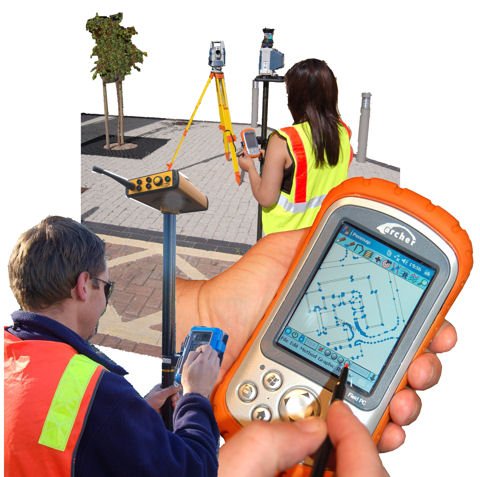
Land Surveyors are professionals who measure and make precise measurements to determine the size and boundaries of a piece of real estate.  While this is a simplistic definition, boundary surveying is one of the most common types of surveying related to home and land owners. If you fall into the following categories, please click on the appropriate link for more information on that subject:

Columbus Land Surveying services:

  1. I need to know where my property corners or property lines are. (Boundary Survey)
  2. I have a loan closing or re-finance coming up on my home in a subdivision. (Lot Survey)
  3. I need a map of my property with contour lines to show elevation differences for my architect or engineer. (Topo Survey)
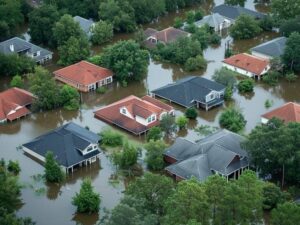
  4. I’ve just been told I’m in a flood zone or I ‘ve been told I need an elevation certificate in order to obtain flood insurance or prove I don’t need it. (Flood Survey)
  5. I’m purchasing a lot/house in a recorded subdivision. (Lot Survey – See Boundary Survey)
  6. I’m purchasing a larger tract of land, acreage, that hasn’t been subdivided in the past. (Boundary Survey)

If your needs don’t fall into one of the above, don’t worry, we’ll get to the bottom of it. CALL Columbus Land Surveying TODAY at (614) 591-8665 OR better yet, fill out a Contact Form request to discuss your survey needs.

Posted in boundary survey, elevation certificate, land surveying, land surveyor | Tagged boundary survey, FEMA, flood map, Land Surveying, land surveyor

What Buyers Should Know About the 2026 ALTA Survey

Columbus Land Surveying Posted on May 15, 2026 by ColumbusSurveyorMay 12, 2026

Surveyors reviewing a commercial ALTA survey at a property development site

The 2026 ALTA/NSPS Land Title Survey standards officially changed on February 23, 2026. That means every commercial ALTA survey ordered must now follow updated rules. Buyers, lenders, developers, and title companies all need to understand these new requirements before closing a deal.

Many buyers still do not know these changes already took effect. That can create problems in a fast-moving commercial real estate market where delays cost time and money.

The 2026 update is not a complete rewrite of the ALTA standards. However, several important changes now affect how surveys are completed, reviewed, and used during commercial property transactions.

Why the 2026 ALTA Survey Standards Changed

The 2026 ALTA standards added new rules for encroachments, utility documentation, deed research, and modern survey technology. These changes help buyers and lenders spot property issues earlier and avoid surprises before closing.

Every five years, the American Land Title Association (ALTA) and the National Society of Professional Surveyors (NSPS) update the standards for ALTA surveys. These updates reflect changes in technology, commercial development, and title insurance requirements.

The 2026 update focuses on better documentation and clearer survey information. That matters in Columbus because commercial development is growing quickly. Industrial projects, data centers, and redevelopment sites are creating more pressure on buyers to complete due diligence faster.

Columbus continues to grow because of large projects like Intel’s semiconductor development and expanding industrial sites across Franklin and Licking counties. In a market like this, accurate surveys matter more than ever.

The updated standards help buyers, lenders, and developers find property problems before construction or redevelopment begins.

What Changed in the 2026 ALTA Standards?

The biggest 2026 ALTA changes include a new encroachment summary table, required deed research, updated utility rules, modern field technology standards, and documentation of verbal boundary claims.

1. A New Encroachment Summary Table (Table A Item 20)

Table A Item 20 creates a clear summary of encroachments directly on the survey. This helps buyers, lenders, and attorneys quickly spot possible property or access problems before closing.

This is the biggest change in the 2026 standards.

Under the old rules, surveyors often used a simple note saying no encroachments were found unless shown elsewhere on the survey. That wording was sometimes unclear and made important issues harder to find.

The 2026 standards now allow buyers to request Table A Item 20.

When included, the survey must contain a summary table showing:

  • Encroachments crossing property lines
  • Encroachments into easements or rights-of-way
  • Encroachments into setback areas
  • Third-party use without a recorded easement
  • Access that depends on neighboring ownership

This gives buyers, attorneys, lenders, and title companies an easier way to review possible problems.

Encroachment issues can delay financing, title insurance approval, permits, and redevelopment plans if discovered too late.

What Buyers Should Do

Request Table A Item 20 on every commercial ALTA survey ordered. Even though it is optional, many lenders and attorneys already expect it.

2. Surveyors Must Now Collect Adjoining Property Deeds

Under the old standards, surveyors often relied on title companies to provide neighboring property deeds. That sometimes caused delays or incomplete research.

The 2026 standards now place that responsibility on the surveyor.

Surveyors must now collect adjoining property deeds themselves when needed for boundary research.

For commercial properties, this can improve accuracy. However, it may also increase research time on older sites with complicated ownership records.

Areas like Franklinton, Linden, older industrial zones, and parts of Downtown Columbus may require more research because of older deed histories.

What Buyers Should Do

Order your ALTA survey early during due diligence instead of waiting until just before closing.

3. Modern Survey Technology Is Now Officially Allowed

The old standards referred to fieldwork being done “on the ground.” That wording no longer matched how modern surveying works today.

The 2026 standards now allow surveyors to use accepted modern methods, including:

  • Drone surveying
  • LiDAR mapping
  • Aerial imagery
  • AI-assisted data processing
  • Digital field tools

For large commercial sites, these tools can improve speed and accuracy.

This is especially helpful for:

  • Industrial parks
  • Commercial campuses
  • Data center projects
  • Riverfront development sites
  • Large tracts near New Albany

The standards also require surveyors to discuss these methods with the client before using them.

What Buyers Should Do

Ask your surveyor what technology they plan to use and make sure it is included in writing.

4. Verbal Boundary Statements Must Now Be Documented

This change surprises many buyers.

Under the 2026 standards, surveyors must now document verbal statements made by neighbors or property occupants if those statements relate to boundary or title concerns.

For example, if someone says:

  • a fence has been in the wrong place for years
  • part of the property is being used without permission
  • a driveway crosses property lines
  • access depends on neighboring ownership

the surveyor must now include that information on the survey.

In the past, many of these field observations never became part of the official survey record.

The new standards improve transparency by requiring those statements to be documented.

What Buyers Should Do

Do not ignore verbal statements shown on a survey. They may point to larger ownership or boundary issues that should be reviewed before closing.

5. Updated Utility Documentation Rules

The 2026 standards also make utility documentation clearer.

The updated rules state:

  • Utility poles must be shown if they are within 10 feet of the property boundary
  • Other utility evidence must be shown within 5 feet of the boundary

This removes confusion that existed under the older standards.

Utility conflicts are one of the most common reasons commercial projects face redesigns or construction delays during due diligence.

This is especially important in growing development areas such as:

  • The New Albany data center corridor
  • Industrial sites south of I-270
  • Expanding logistics zones
  • Development areas near Gahanna and Licking County

What Buyers Should Do

Carefully review utility information before finalizing development plans or financing approvals.

What the 2026 ALTA Standards Mean for Commercial Buyers

The 2026 ALTA standards help commercial buyers find property risks earlier. This reduces the chance of delays, boundary problems, utility conflicts, and unexpected closing issues.

Commercial real estate development across Central Ohio continues to grow quickly. Industrial land is in high demand, redevelopment projects are expanding, and infrastructure work is changing property values across the region.

At the same time, buyers face tighter schedules and more pressure to complete due diligence quickly.

That is why the 2026 standards matter.

The updated rules give buyers, lenders, developers, and attorneys a clearer picture of:

  • Encroachments
  • Utility conflicts
  • Access problems
  • Boundary disputes
  • Third-party property use
  • Ownership concerns

This helps buyers make better decisions before construction or redevelopment begins.

Many commercial lenders now require updated ALTA/NSPS surveys before approving financing for commercial purchases or redevelopment projects.

2026 ALTA Survey Checklist for Commercial Buyers

Buyers ordering a commercial ALTA survey should request the 2026 standards, include Table A Item 20, provide the title commitment early, and start the survey process early during due diligence.

Before ordering your next commercial ALTA survey, make sure you:

  • Request a “2026 ALTA/NSPS Land Title Survey”
  • Ask for Table A Item 20
  • Provide the title commitment early
  • Review lender requirements with your surveyor
  • Ask which survey technology will be used
  • Order the survey early during due diligence
  • Review utility and encroachment information carefully

Work With a ALTA Survey Expert

The 2026 ALTA standards are already in effect, and every commercial ALTA survey ordered today must follow these updated rules.

Working with an experienced local surveyor can help you avoid delays, reduce risk, and find property issues before they become expensive problems.

Frequently Asked Questions

What changed in the 2026 ALTA standards?

The 2026 standards added new rules for encroachments, utility documentation, deed research, survey technology, and verbal boundary statements.

What is Table A Item 20?

Table A Item 20 is a new encroachment summary table that shows possible boundary conflicts, access issues, and third-party property use directly on the survey.

Are the 2026 ALTA standards required?

Yes. Commercial ALTA surveys ordered after February 23, 2026, must follow the updated 2026 ALTA/NSPS standards.

Can ALTA surveys now use drones and LiDAR?

Yes. The 2026 standards officially allow modern tools such as drones, LiDAR mapping, aerial imagery, and AI-assisted survey processing.

Why should buyers order ALTA surveys early?

The updated standards require more research and documentation than before. Ordering early gives surveyors enough time to complete the work before closing deadlines.

Posted in alta survey | Tagged alta survey

How to Read a Topographic Survey Report

Columbus Land Surveying Posted on May 13, 2026 by ColumbusSurveyorMay 12, 2026

Aerial view of a residential property with contour lines showing elevation changes and drainage flow across the landSo your surveyor just handed you a topographic survey report. You see lines, numbers, and symbols all over the page. At first glance, it may look confusing.

You are not alone. Most property owners feel the same way when they see a topographic survey for the first time. The good news is that once you learn the basics, the report becomes much easier to understand. Knowing how to read it can also help you avoid drainage problems, permit delays, and costly construction mistakes.

Whether you are building an addition, planning a new home, fixing drainage issues, or improving your property, understanding your survey is important.

Why Property Owners Need Topographic Surveys

Property owners often need a topographic survey before starting construction, additions, grading, or drainage improvements. The report helps show elevation changes, water flow, utility locations, and site conditions that may affect permits and construction plans.

Columbus continues to grow quickly. New homes, additions, and redevelopment projects are happening across the city. Because of this growth, accurate site information matters more than ever.

The City of Columbus also has stormwater rules for many construction projects. These rules help control flooding and drainage problems. A topographic survey helps show how water moves across the property before and after construction.

Without accurate topo data, projects may face:

  • Permit delays
  • Drainage issues
  • Utility conflicts
  • Extra grading costs
  • Foundation problems
  • Flooding concerns

The 5 Most Important Parts of a Topographic Survey Report

Contour Lines

Contour lines on a topographic survey connect points of equal elevation and show the slope and shape of the land. Lines close together show steeper ground, while lines farther apart show flatter areas.

Contour lines are usually the curved lines you see across the map. These lines show how the ground rises and falls.

Here is the easiest way to understand them:

  • Lines close together = steeper slope
  • Lines far apart = flatter land

Even though much of Columbus looks flat, many properties still have small elevation changes that affect drainage.

Water may flow:

  • Toward your home
  • Into a low spot in the yard
  • Toward a neighbor’s property
  • Into a drainage ditch or basin

Understanding contour lines can help you spot drainage problems before construction starts.

Contour Interval

The contour interval shows how much elevation changes between contour lines on a topographic survey. Smaller intervals provide more detail and are often used for drainage and grading projects.

Your survey may include a note such as:

  • Contour Interval = 1 Foot
  • Contour Interval = 2 Feet

This tells you how much the elevation changes between each contour line.

A one-foot interval gives more detail and is common for:

  • Residential grading
  • Drainage design
  • Permit applications
  • Site planning

A two-foot interval shows less detail and may not work well for some projects.

If your property has drainage or flooding concerns, ask your surveyor if the contour interval is right for your project.

Benchmark Elevations and Datum

Benchmark elevations show how high different points on the property sit above sea level. Surveyors use a standard system called NAVD 88 to keep measurements accurate and consistent.

Throughout the survey, you may see numbers such as:

  • 893.4
  • 901.7
  • 905.2

These numbers show elevation points across the property.

Elevation matters because even small changes in height can affect:

  • Drainage flow
  • Flood risk
  • Foundation design
  • Retaining walls
  • Flood insurance costs

According to FEMA flood maps, even a small elevation difference may affect whether a property falls inside a flood zone.

If your survey does not list the datum used, ask your surveyor. Elevation numbers are not useful without it.

Existing Features and Utility Symbols

Topographic survey reports also include symbols for features already on the property. These symbols help property owners and contractors understand what is on the site before construction begins.

Your survey may show:

  • Trees
  • Fences
  • Sidewalks
  • Driveways
  • Utility poles
  • Water lines
  • Sewer lines
  • Storm drains
  • Catch basins
  • Existing structures

Pay close attention to underground utilities.

According to Common Ground Alliance reports, underground utility strikes happen thousands of times each year because of missing or outdated site information. Damaging buried lines can create safety problems and expensive repairs.

In Columbus, utility conflicts are one of the most common causes of project delays.

Property Lines vs. Topographic Data

A topographic survey shows land elevations and site features, while a boundary survey legally identifies property lines. A topo survey should not be used to settle property disputes without a separate boundary survey.

This is one of the most common misunderstandings among property owners.

Many people think a topo survey legally confirms property lines. In most cases, it does not.

If you need to:

  • Build a fence
  • Solve a property dispute
  • Confirm boundary locations
  • Build close to a property line
  • Handle an encroachment issue

you will likely need a separate boundary survey.

A topographic survey and a boundary survey serve different purposes, even when both appear on the same plans.

Red Flags to Watch for in Your Survey Report

Before using your topographic survey for permits or construction, check for missing information or signs that the report may be outdated or incomplete.

Watch for these warning signs:

  • No datum listed
  • Missing utility information
  • Old survey date
  • Missing surveyor seal
  • Poor drainage details
  • Contour interval too large for the project
  • Missing easements or drainage structures

In Ohio, surveys used for permits or legal purposes should be signed and sealed by a licensed professional surveyor.

If something looks unclear, ask questions before construction begins. Fixing problems early is usually much cheaper than fixing them later.

Understanding Your Survey Can Save You Time and Money

Reading a topographic survey report may seem difficult at first, but learning the basics can help you make smarter decisions about your property.

A clear and accurate survey can help prevent:

  • Drainage problems
  • Permit delays
  • Construction mistakes
  • Utility conflicts
  • Flooding concerns
  • Costly redesigns

If you are planning a project, getting accurate survey information early can save you time, money, and stress later on.

Frequently Asked Questions 

How long is a topographic survey valid?

Many surveyors recommend updating a topographic survey if it is more than one year old or if site conditions have changed.

Does a topographic survey show property lines?

A topographic survey may show approximate property lines for reference, but it is not the same as a legal boundary survey.

Can a topographic survey show drainage problems?

Yes. Contour lines and elevation points help show how water moves across the property.

Do I need a topographic survey for a home addition?

In many cases, yes. Columbus may require one for additions, grading work, drainage changes, and new structures.

What is the difference between a topographic survey and an ALTA survey?

A topographic survey focuses on land elevation and site features, while an ALTA survey is a detailed commercial property survey used for real estate and development projects.

Posted in topographic survey | Tagged topo surveying, topographic surveying, topographic surveyor

ALTA Survey Guide for Commercial Real Estate

Columbus Land Surveying Posted on May 12, 2026 by ColumbusSurveyorMay 12, 2026

Land surveyor reviewing a commercial property site during an ALTA survey

If your lender or title company just told you that you need an ALTA survey before closing, you are not alone. An ALTA survey is one of the most common requirements in commercial real estate deals, but many buyers do not know what it is until they are already deep into the process.

What Is an ALTA Survey?

An ALTA survey is a detailed land survey used for commercial real estate transactions across the United States. It combines boundary measurements, title research, easement review, and site observations into one certified document. Lenders, title companies, and buyers use ALTA surveys to reduce risk before closing.

ALTA stands for the American Land Title Association. NSPS stands for the National Society of Professional Surveyors. Together, these groups created national standards that every ALTA survey must follow.

That means an ALTA survey completed in Columbus, Ohio follows the same rules as one completed in New York, Texas, or California.

This consistency is important because lenders, investors, and title companies want reliable information. They need to know the survey follows the same standards no matter where the property is located.

The ALTA/NSPS standards were updated in 2026 to improve reporting and make commercial survey information easier to understand.

What Does an ALTA Survey Show?

An ALTA survey shows property boundaries, buildings, easements, encroachments, utilities, and access points. It helps buyers, lenders, and title companies understand the legal and physical conditions of a property before closing.

An ALTA survey gives a full picture of the property instead of only showing boundary lines.

An ALTA survey usually includes:

  • Property boundary lines
  • Buildings and site improvements
  • Easements and rights-of-way
  • Encroachments crossing property lines
  • Utility locations
  • Driveways and access points
  • Fences and visible site features
  • Signs of shared use or occupancy
  • Flood zone information (when requested)
  • Zoning information (when requested)

The surveyor compares what exists on the property with the legal records connected to the land.

This process helps uncover problems before the sale closes.

How Is an ALTA Survey Different from a Boundary Survey?

A boundary survey mainly shows property lines. An ALTA survey goes further by including title research, easement review, encroachment analysis, and site observations needed for commercial real estate transactions.

Many buyers confuse ALTA surveys with standard property surveys.

A boundary survey focuses on identifying the edges of a property. It confirms where ownership begins and ends.

A location survey usually shows where buildings sit compared to the property lines. Residential lenders often require these for home purchases.

An ALTA survey includes both of those services and much more.

An ALTA survey may also include:

  • Title commitment review
  • Easement research
  • Encroachment analysis
  • Access verification
  • Utility information
  • Commercial title insurance requirements

Most commercial lenders require an ALTA survey because title insurance policies often exclude survey-related issues unless a current survey is provided.

Without an ALTA survey, a title policy may not cover:

  • Boundary disputes
  • Easement conflicts
  • Encroachments
  • Access problems
  • Other land issues

That can create major financial risks for buyers and lenders.

Why Do Commercial Buyers Need an ALTA Survey?

Commercial buyers, lenders, developers, and investors often need an ALTA survey before closing. The survey helps identify risks, confirm property details, and meet title insurance and lending requirements.

Commercial properties usually involve larger investments and more legal risks than residential properties.

An ALTA survey can help uncover:

  • Easement conflicts
  • Shared driveways
  • Boundary problems
  • Utility issues
  • Access concerns
  • Encroachments from nearby properties

Real estate attorneys and title professionals often discover these issues during due diligence.

Buyers who commonly order ALTA surveys include:

  • Commercial property buyers
  • Developers
  • Commercial lenders
  • Investors
  • Property owners refinancing commercial property
  • Industrial property buyers
  • Multifamily property buyers

In many commercial deals, title review and survey work happen at the same time to help identify problems early.

What Are Table A Items?

Table A items are optional services added to an ALTA survey. These items expand the survey and provide more detailed information based on the needs of the buyer, lender, or title company.

Not every commercial property needs the same level of detail.

That is why buyers can choose optional Table A items.

Common Table A items include:

  • Flood zone classification
  • Zoning information
  • Parking counts
  • Utility mapping
  • Building measurements
  • Address confirmation
  • Access information
  • Encroachment summary tables

The updated 2026 standards added more detailed encroachment reporting requirements.

Your lender, title company, attorney, and surveyor can help decide which Table A items fit your project.

How Much Does an ALTA Survey Cost?

The cost of an ALTA survey depends on the size of the property, the complexity of the site, and the Table A items requested. Larger and more complicated sites usually cost more because they require more fieldwork and research.

Typical ALTA survey costs:

  • Simple commercial parcels: $2,500–$4,500
  • Mid-size properties: $4,500–$8,000
  • Large or multi-parcel sites: $8,000–$15,000+

Several things affect pricing, including:

  • Property size
  • Number of parcels
  • Existing buildings
  • Site conditions
  • Research requirements
  • Requested Table A items

Although the survey cost may seem high, it is usually much cheaper than dealing with a legal or boundary problem after closing.

How Long Does an ALTA Survey Take?

Most ALTA surveys take two to three weeks to complete. The timeline depends on the size of the property, title research requirements, weather, and the complexity of the site.

Typical turnaround times include:

  • Two to three weeks for standard service
  • Five to seven business days for rush service

Large commercial properties and sites with complicated records may take longer.

One of the most common reasons commercial closings get delayed is that the survey was ordered too late.

How Do You Order an ALTA Survey?

To order an ALTA survey, contact a licensed land surveyor and provide the property address, legal description, and title commitment. Ordering the survey early helps avoid delays during closing.

The title commitment is important because it contains the legal records the surveyor must review.

Information usually needed to start:

  • Property address
  • Legal description
  • Title commitment
  • Title company contact information
  • Requested Table A items
  • Closing deadline

The best time to order an ALTA survey is as soon as title work begins.

Starting early gives the surveyor enough time to complete research, fieldwork, drafting, and revisions before closing day.

Frequently Asked Questions

Is an ALTA survey required?

ALTA surveys are not required for every transaction, but most commercial lenders and title companies require them for commercial real estate deals.

How long is an ALTA survey valid?

There is no official expiration date, but lenders and title companies usually prefer a recent survey that reflects current site conditions.

Can an old ALTA survey be reused?

Sometimes. However, many lenders and title companies require an updated survey before closing.

Who pays for an ALTA survey?

In many commercial transactions, the buyer pays for the survey as part of the due diligence process.

What is the difference between an ALTA survey and a property survey?

A property survey usually focuses on property lines. An ALTA survey also includes title review, easement research, and commercial due diligence information.

Posted in alta survey | Tagged alta survey

Post navigation

← Older posts
Get Quote Button

Recent Posts

  • What Buyers Should Know About the 2026 ALTA Survey
  • How to Read a Topographic Survey Report
  • ALTA Survey Guide for Commercial Real Estate
  • How Elevation Certificates Affect Flood Insurance
  • What a Topographic Survey Shows

Categories

  • alta survey
  • boundary survey
  • building survey
  • drone lidar mapping
  • elevation certificate
  • land surveying
  • land surveyor
  • topographic survey
© Copyright Columbus Land Surveying
250 W. Old Wilson Bridge Road, Suite 250
Worthington, Ohio 43085
Terms of Use  |  Privacy Policy
Web Development and SEO by:
N2Biz.co
↑