
What Buyers Should Know About the 2026 ALTA Survey
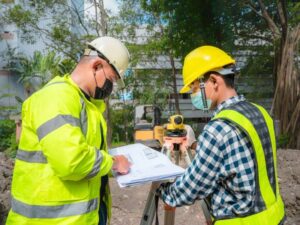
The 2026 ALTA/NSPS Land Title Survey standards officially changed on February 23, 2026. That means every commercial ALTA survey ordered must now follow updated rules. Buyers, lenders, developers, and title companies all need to understand these new requirements before closing a deal.
Many buyers still do not know these changes already took effect. That can create problems in a fast-moving commercial real estate market where delays cost time and money.
The 2026 update is not a complete rewrite of the ALTA standards. However, several important changes now affect how surveys are completed, reviewed, and used during commercial property transactions.
Why the 2026 ALTA Survey Standards Changed
The 2026 ALTA standards added new rules for encroachments, utility documentation, deed research, and modern survey technology. These changes help buyers and lenders spot property issues earlier and avoid surprises before closing.
Every five years, the American Land Title Association (ALTA) and the National Society of Professional Surveyors (NSPS) update the standards for ALTA surveys. These updates reflect changes in technology, commercial development, and title insurance requirements.
The 2026 update focuses on better documentation and clearer survey information. That matters in Columbus because commercial development is growing quickly. Industrial projects, data centers, and redevelopment sites are creating more pressure on buyers to complete due diligence faster.
Columbus continues to grow because of large projects like Intel’s semiconductor development and expanding industrial sites across Franklin and Licking counties. In a market like this, accurate surveys matter more than ever.
The updated standards help buyers, lenders, and developers find property problems before construction or redevelopment begins.
What Changed in the 2026 ALTA Standards?
The biggest 2026 ALTA changes include a new encroachment summary table, required deed research, updated utility rules, modern field technology standards, and documentation of verbal boundary claims.
1. A New Encroachment Summary Table (Table A Item 20)
Table A Item 20 creates a clear summary of encroachments directly on the survey. This helps buyers, lenders, and attorneys quickly spot possible property or access problems before closing.
This is the biggest change in the 2026 standards.
Under the old rules, surveyors often used a simple note saying no encroachments were found unless shown elsewhere on the survey. That wording was sometimes unclear and made important issues harder to find.
The 2026 standards now allow buyers to request Table A Item 20.
When included, the survey must contain a summary table showing:
- Encroachments crossing property lines
- Encroachments into easements or rights-of-way
- Encroachments into setback areas
- Third-party use without a recorded easement
- Access that depends on neighboring ownership
This gives buyers, attorneys, lenders, and title companies an easier way to review possible problems.
Encroachment issues can delay financing, title insurance approval, permits, and redevelopment plans if discovered too late.
What Buyers Should Do
Request Table A Item 20 on every commercial ALTA survey ordered. Even though it is optional, many lenders and attorneys already expect it.
2. Surveyors Must Now Collect Adjoining Property Deeds
Under the old standards, surveyors often relied on title companies to provide neighboring property deeds. That sometimes caused delays or incomplete research.
The 2026 standards now place that responsibility on the surveyor.
Surveyors must now collect adjoining property deeds themselves when needed for boundary research.
For commercial properties, this can improve accuracy. However, it may also increase research time on older sites with complicated ownership records.
Areas like Franklinton, Linden, older industrial zones, and parts of Downtown Columbus may require more research because of older deed histories.
What Buyers Should Do
Order your ALTA survey early during due diligence instead of waiting until just before closing.
3. Modern Survey Technology Is Now Officially Allowed
The old standards referred to fieldwork being done “on the ground.” That wording no longer matched how modern surveying works today.
The 2026 standards now allow surveyors to use accepted modern methods, including:
- Drone surveying
- LiDAR mapping
- Aerial imagery
- AI-assisted data processing
- Digital field tools
For large commercial sites, these tools can improve speed and accuracy.
This is especially helpful for:
- Industrial parks
- Commercial campuses
- Data center projects
- Riverfront development sites
- Large tracts near New Albany
The standards also require surveyors to discuss these methods with the client before using them.
What Buyers Should Do
Ask your surveyor what technology they plan to use and make sure it is included in writing.
4. Verbal Boundary Statements Must Now Be Documented
This change surprises many buyers.
Under the 2026 standards, surveyors must now document verbal statements made by neighbors or property occupants if those statements relate to boundary or title concerns.
For example, if someone says:
- a fence has been in the wrong place for years
- part of the property is being used without permission
- a driveway crosses property lines
- access depends on neighboring ownership
the surveyor must now include that information on the survey.
In the past, many of these field observations never became part of the official survey record.
The new standards improve transparency by requiring those statements to be documented.
What Buyers Should Do
Do not ignore verbal statements shown on a survey. They may point to larger ownership or boundary issues that should be reviewed before closing.
5. Updated Utility Documentation Rules
The 2026 standards also make utility documentation clearer.
The updated rules state:
- Utility poles must be shown if they are within 10 feet of the property boundary
- Other utility evidence must be shown within 5 feet of the boundary
This removes confusion that existed under the older standards.
Utility conflicts are one of the most common reasons commercial projects face redesigns or construction delays during due diligence.
This is especially important in growing development areas such as:
- The New Albany data center corridor
- Industrial sites south of I-270
- Expanding logistics zones
- Development areas near Gahanna and Licking County
What Buyers Should Do
Carefully review utility information before finalizing development plans or financing approvals.
What the 2026 ALTA Standards Mean for Commercial Buyers
The 2026 ALTA standards help commercial buyers find property risks earlier. This reduces the chance of delays, boundary problems, utility conflicts, and unexpected closing issues.
Commercial real estate development across Central Ohio continues to grow quickly. Industrial land is in high demand, redevelopment projects are expanding, and infrastructure work is changing property values across the region.
At the same time, buyers face tighter schedules and more pressure to complete due diligence quickly.
That is why the 2026 standards matter.
The updated rules give buyers, lenders, developers, and attorneys a clearer picture of:
- Encroachments
- Utility conflicts
- Access problems
- Boundary disputes
- Third-party property use
- Ownership concerns
This helps buyers make better decisions before construction or redevelopment begins.
Many commercial lenders now require updated ALTA/NSPS surveys before approving financing for commercial purchases or redevelopment projects.
2026 ALTA Survey Checklist for Commercial Buyers
Buyers ordering a commercial ALTA survey should request the 2026 standards, include Table A Item 20, provide the title commitment early, and start the survey process early during due diligence.
Before ordering your next commercial ALTA survey, make sure you:
- Request a “2026 ALTA/NSPS Land Title Survey”
- Ask for Table A Item 20
- Provide the title commitment early
- Review lender requirements with your surveyor
- Ask which survey technology will be used
- Order the survey early during due diligence
- Review utility and encroachment information carefully
Work With a ALTA Survey Expert
The 2026 ALTA standards are already in effect, and every commercial ALTA survey ordered today must follow these updated rules.
Working with an experienced local surveyor can help you avoid delays, reduce risk, and find property issues before they become expensive problems.
Frequently Asked Questions
What changed in the 2026 ALTA standards?
The 2026 standards added new rules for encroachments, utility documentation, deed research, survey technology, and verbal boundary statements.
What is Table A Item 20?
Table A Item 20 is a new encroachment summary table that shows possible boundary conflicts, access issues, and third-party property use directly on the survey.
Are the 2026 ALTA standards required?
Yes. Commercial ALTA surveys ordered after February 23, 2026, must follow the updated 2026 ALTA/NSPS standards.
Can ALTA surveys now use drones and LiDAR?
Yes. The 2026 standards officially allow modern tools such as drones, LiDAR mapping, aerial imagery, and AI-assisted survey processing.
Why should buyers order ALTA surveys early?
The updated standards require more research and documentation than before. Ordering early gives surveyors enough time to complete the work before closing deadlines.