
How Elevation Certificates Affect Flood Insurance
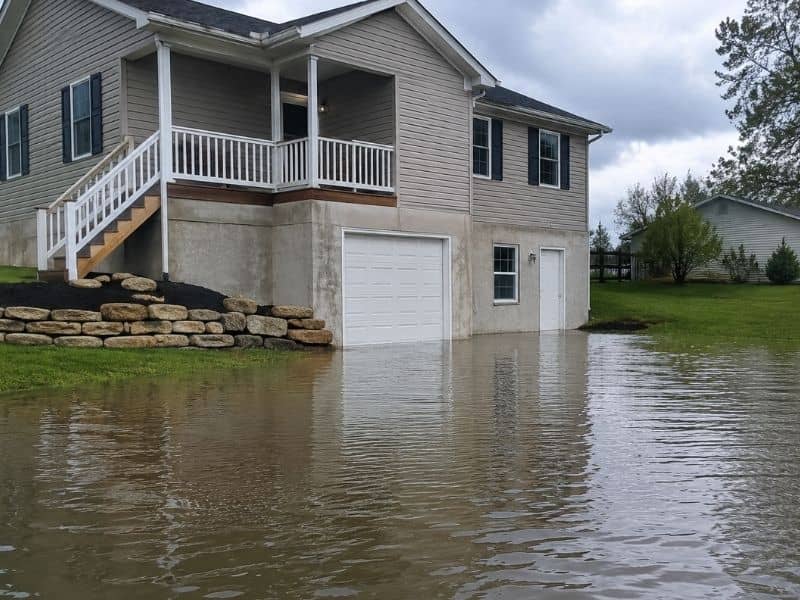
Most homeowners never think about an elevation certificate until someone suddenly asks for one.
Sometimes it happens during a home purchase. Other times, an insurance company requests it before renewing a flood policy. Then the questions start.
Why does the lowest floor matter so much? Why does a basement affect flood insurance cost? And what exactly does this document show?
At first, an elevation certificate may seem like another piece of paperwork. However, it can affect how much you pay for flood insurance and how lenders view flood risk on your property.
That is why understanding it early can save money and stress later.
Why Does the Lowest Floor Matter for Flood Insurance?
An elevation certificate shows how high your home’s lowest floor sits compared to expected floodwater levels. Insurance companies use this information to estimate flood risk. Lower floors, basements, and enclosed areas often increase flood insurance costs because floodwater reaches those spaces first during heavy storms.
Floodwater always moves toward the lowest point first.
Because of that, insurance companies want to know how high your home sits compared to expected flood levels in the area. Even a small height difference can change how risky a property looks on paper.
In fact, even a one-foot elevation difference may affect flood insurance pricing depending on the flood zone and building type.
This is where the lowest floor becomes important.
The lowest floor is not always the main living area. In some homes, it may include a lower room, crawlspace, or basement. Meanwhile, some homeowners assume ground level and lowest floor mean the same thing. They do not.
For example, a home may sit high above the street. Still, a lower enclosed area under the house may count as the structure’s lowest floor.
That detail matters because flood insurance pricing often depends on it.
Lowest Floor vs. Ground Level
Ground level describes where the land sits around the structure. Meanwhile, the lowest floor refers to the lowest enclosed area of the building itself.
That difference may seem small at first. However, it can affect flood insurance calculations in a major way.
What Information Does an Elevation Certificate Show?
An elevation certificate includes the height of the lowest floor, basement, crawlspace, nearby ground elevation, flood zone details, and building type. A licensed land surveyor gathers these measurements to help insurance companies, lenders, and property owners understand how flood risk may affect the structure.
An elevation certificate gives detailed information about how a structure sits on the land.
A licensed land surveyor gathers measurements around the property and compares them to flood data. Then the information goes into a formal document used by insurance companies, lenders, and floodplain officials.
The certificate usually shows:
- Lowest finished floor elevation
- Basement or crawlspace height
- Nearby ground elevation
- FEMA flood zone classification
- Building type and structure details
Although the form contains technical information, the goal is simple. It helps show how likely floodwater could reach the structure.
That is why accurate measurements matter.
Why Do Basements Increase Flood Insurance Risk?
Basements increase flood risk because they sit below ground level where water pressure builds quickly. Flood insurance companies often charge higher premiums for homes with below-grade spaces. In many cases, flood insurance also limits coverage for finished basement materials and personal belongings after flooding occurs.
Basements create confusion for many homeowners.
Some people think a finished basement automatically adds value without affecting insurance. However, flood insurance companies see basements differently because they sit below ground level.
Water pressure builds quickly in below-grade spaces. As a result, basements often face higher flood risk.
Even worse, many homeowners learn too late that flood insurance may not fully cover finished basement items.
For example, flooring, drywall, and personal belongings may have limited coverage depending on the policy.
Finished basements often experience some of the highest repair costs after flooding because water damages flooring, drywall, furniture, and electrical systems quickly.
This surprises many buyers after heavy rain or flooding.
That is also why insurance companies look closely at basement elevation when reviewing flood policies.
Why Below-Grade Spaces Flood Faster
Water naturally moves downhill. Because basements sit below surrounding ground level, water pressure builds around the walls faster during storms or drainage problems.
That extra pressure increases the chance of leaks, seepage, and flooding.
Can Crawlspaces and Garages Affect Flood Insurance Cost?
Crawlspaces, garages, and enclosed lower areas may affect flood insurance pricing because they sit closer to floodwater levels. Even unfinished spaces can change insurance calculations if they fall below the main living floor or increase the structure’s overall flood exposure during strong storms.
Basements are not the only concern.
Crawlspaces and enclosed lower levels can also affect flood insurance costs. Even when these spaces stay unfinished, they still sit closer to floodwater.
Some homeowners add storage rooms under raised homes without realizing those areas may affect flood ratings later.
Meanwhile, attached garages can also become part of the discussion if they sit below the main floor.
These details may seem small at first. Still, they can change insurance calculations more than homeowners expect.
How Does Elevation Affect Flood Insurance Pricing?
Homes built higher above expected flood levels often qualify for lower flood insurance premiums. Meanwhile, structures with lower floors closer to floodwater elevations usually face higher insurance costs. Even small elevation differences between nearby homes can create major pricing differences for flood insurance policies.
Insurance companies use risk to help set flood insurance costs.
If the structure sits higher than expected flood levels, the property may qualify for lower premiums. On the other hand, homes sitting lower often face higher costs.
That is why two nearby homes may have very different flood insurance bills.
One house may sit several feet higher even though both homes share the same neighborhood.
In some cases, homeowners overpay because old elevation information still appears in their records. Then later, a new elevation certificate reveals the structure actually sits above flood level requirements.
As a result, updated information may help reduce insurance costs.
Of course, every property differs. Still, accurate elevation data gives homeowners a clearer picture of real flood risk.
Why Do Homebuyers Ask for Elevation Certificates Before Closing?
Homebuyers request elevation certificates before closing because the document helps estimate flood insurance cost and future flood risk. Buyers use this information to avoid surprise insurance expenses, understand basement risk, and review whether the property may face future flooding or drainage concerns.
Homebuyers today ask more questions about flood risk than ever before.
Many buyers do not want surprise insurance costs after moving in. So they often request elevation certificates before closing on a home.
This helps them understand:
- Possible flood insurance requirements
- Estimated insurance cost
- Flood zone concerns
- Basement flood risk
- Future resale concerns
Without the certificate, buyers may rely only on flood zone maps. However, flood maps alone do not always tell the full story.
A home inside a flood zone may still sit high enough to reduce risk. Meanwhile, a home outside a mapped flood zone can still experience drainage problems during strong storms.
That is why elevation information gives more useful detail.
Why Older Homes Often Face More Flood Insurance Problems
Older homes sometimes sit lower than current flood standards because builders followed different elevation rules decades ago. Over time, soil settlement and outdated construction methods may increase flood exposure. As a result, older homes often face higher flood insurance costs or additional lender requirements.
Years ago, builders followed different rules. Some homes also settled over time as soil shifted underneath the structure.
As a result, older basements and lower floors may sit closer to flood levels than expected.
This becomes a problem when owners refinance, renovate, or sell the property.
Suddenly, lenders or insurance companies request updated elevation information. Then homeowners discover issues they never noticed before.
That situation happens more often after major storms or updated FEMA flood maps.
Mortgage lenders may require flood insurance when a property sits within a FEMA Special Flood Hazard Area.
Why Homeowners Still Need Elevation Certificates
Homeowners still face flood concerns because strong storms, drainage issues, and low-lying areas can create water problems outside major flood zones. An elevation certificate helps property owners understand how their structure compares to nearby flood levels before insurance, refinancing, or renovation decisions happen.
Many people assume flood problems only happen near large rivers.
That is not always true.
In Columbus, strong rainstorms, poor drainage, and low-lying areas can still create flooding problems. Water may collect around homes even outside major flood zones.
Some neighborhoods also experience drainage backups during heavy storms.
NOAA data shows that heavy rainfall events have increased across many parts of the Midwest over recent decades.
Because of that, flood insurance questions continue to grow across many parts of the area.
An elevation certificate helps homeowners understand how their structure sits compared to nearby flood risk.
That knowledge becomes valuable before buying, refinancing, or planning home improvements.
When Should You Get an Elevation Certificate?
Homeowners should order an elevation certificate before buying, refinancing, renovating, or renewing flood insurance. Early planning helps avoid delays during closing and gives property owners more time to review insurance costs, flood zone details, and possible ways to reduce future flood-related expenses.
Timing matters.
Some homeowners wait until the last minute before a closing date or insurance renewal. Unfortunately, rushed situations create extra stress.
Instead, it helps to order an elevation certificate early if you:
- Plan to buy or sell a home
- Need flood insurance
- Want to refinance
- Plan major renovations
- Believe your flood insurance cost seems too high
Early planning gives homeowners more time to review their options and avoid surprises.
Frequently Asked Questions
What is the lowest floor on an elevation certificate?
The lowest floor refers to the lowest enclosed area of a structure. Depending on the home design, this may include a basement, crawlspace, garage, or lower living area.
Does a basement increase flood insurance cost?
Yes. Basements often increase flood insurance costs because they sit below ground level where floodwater pressure builds quickly during storms.
Can an elevation certificate lower flood insurance?
In some cases, yes. If updated measurements show the structure sits higher than expected flood levels, insurance costs may decrease.
Do homes outside flood zones still need elevation certificates?
Sometimes. Homes outside major flood zones may still face drainage or flooding concerns, especially during strong storms or poor runoff conditions.
Who provides elevation certificates?
Licensed land surveyors typically provide elevation certificates by measuring the structure and comparing elevation data with FEMA flood information.