
Property Survey Cost for Two Adjacent Lots
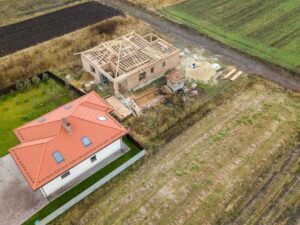
Surveying two lots at once sounds like it should cost about the same as surveying one lot twice. It usually doesn’t work that way. Shared boundaries, mismatched records and site conditions can push the property survey cost higher or lower than most owners expect.
Buyers, sellers and developers often ask for a quote before they know what actually changes the price. Knowing what affects cost ahead of time helps you plan your budget and avoid surprises once the fieldwork starts.
Why Surveying Two Lots Differs From Surveying One
A survey of two lots next to each other is not just double the work of one lot. The lots share a boundary line, and that line has to match on both sides.
If the two properties were surveyed separately in the past, the old records may not agree with each other. A surveyor has to fix any mismatch before finishing the new survey. This takes extra research and sometimes extra time in the field.
Two-lot surveys also often involve more corners, more boundary lines and more property history to check. Even if both lots are small, this added work usually raises property survey cost compared to a single, simple lot.
How a Shared Boundary Can Affect Surveying Costs
A shared boundary line is the spot where two properties meet. This line is often the most important part of a two-lot survey, and problems here can raise costs fast.
Old fences, sheds or plants sometimes sit a bit off the true boundary line. If something crosses the line, the surveyor has to write it down clearly. This takes more time both in the field and when writing the final report.
Common shared boundary problems that affect cost include:
- Fences or walls that don’t match the recorded line
- Overlapping deed descriptions from past surveys
- Missing or broken boundary markers that need to be reset
In older neighborhoods, shared boundaries between lots sometimes shifted a little over the years because of loose agreements between past owners. Finding the true line takes more research time, and that can change the final price.
Property Records That Can Change the Survey Scope
Every survey starts with research, and that research shapes how much work the survey needs. Deeds, past surveys, easements and county records all play a part.
For two lots next to each other, a surveyor usually pulls records for both properties and checks if the descriptions match. If the legal descriptions were written decades apart or use different starting points, fixing the difference adds time to the project.
Records that often change the survey scope include:
- Deeds with vague or old legal descriptions
- Recorded easements that cross one or both lots
- Past surveys with boundary lines that don’t agree
Franklin County property records go back many decades, and older parcels sometimes have missing or messy paperwork. A surveyor digging through Franklin County records may need extra time to track down old information, especially for lots mapped before modern systems existed.
How Lot Conditions Influence Fieldwork and Pricing
Fieldwork is the part of a survey that happens out on the actual property, and site conditions change how long that takes. Two lots side by side don’t always face the same physical challenges.
Thick plants, sloped ground, fences or buildings can all slow down fieldwork. A crew working through overgrown brush or steep hills needs more time than one working on a flat, clear lot.
Conditions that usually affect pricing include:
- Heavy trees or brush that block the view between boundary points
- Steep slopes or drainage areas that need extra measurements
- Buildings, driveways or utility lines near the shared boundary
A mix of older neighborhoods and newer development areas. Older lots sometimes have more plants and harder-to-reach ground, which can add time to the fieldwork part of a two-lot survey.
Information to Provide When Requesting a Survey Quote
Giving a surveyor good information upfront leads to a more accurate quote. Vague requests often lead to pricing that changes once the surveyor sees the real site conditions.
Before you ask for a quote for two lots, gather the following:
- Current deeds for both properties
- Any past survey documents, even old ones
- Parcel numbers from the county auditor’s website
- A short note about any known boundary problems, like a disputed fence line
Also tell the surveyor why you need the survey. A survey for a home sale, a lot split or a building project can each need different work. Being clear about your reason helps the surveyor plan the project right and avoid surprise costs later.
If your timeline depends on a closing date, a permit or a construction start, say so early. Ask your surveyor how long the work will take, since timelines and rules can vary by property, lender, title company or city.